Wildlife in Torres del Paine in short
Four animals are what most visitors look for: the puma, the guanaco, the ñandú (a rhea) and the Andean condor. Most people see guanacos and condors without trying. Pumas are the rare reward, and no tour, guide or time of day can promise one.
You watch wildlife here in daylight and from official trails. You do not feed or disturb animals, and the park does not allow free-roaming puma safaris across open country. That is why a tour with a guide who knows the rules is often the simplest way to spend a day looking.
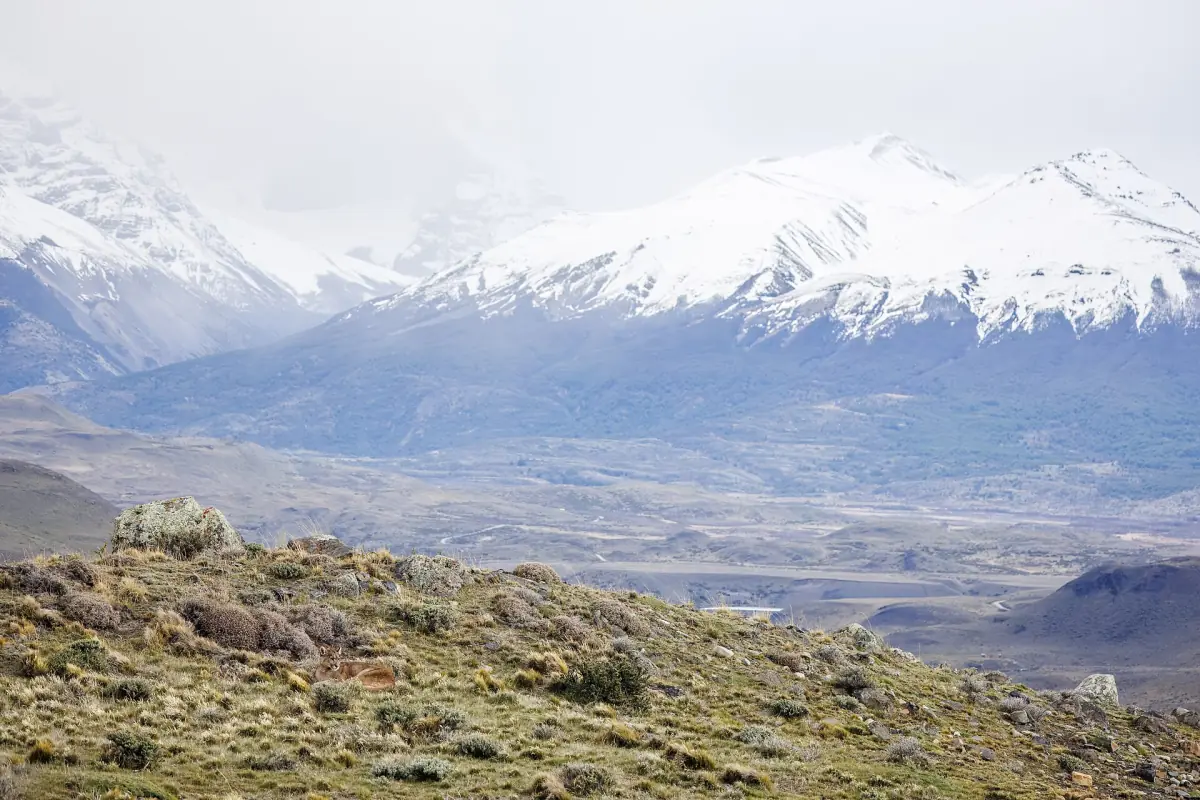
Our picks: puma tracking
Two days with specialist guides and optics; one includes the park entry. Sightings are never certain.
Hand-picked tours, booked through GetYourGuide. Prices are indicative starting prices in US dollars (as of October 2026). Tap a tour for live availability and the current price in your currency.
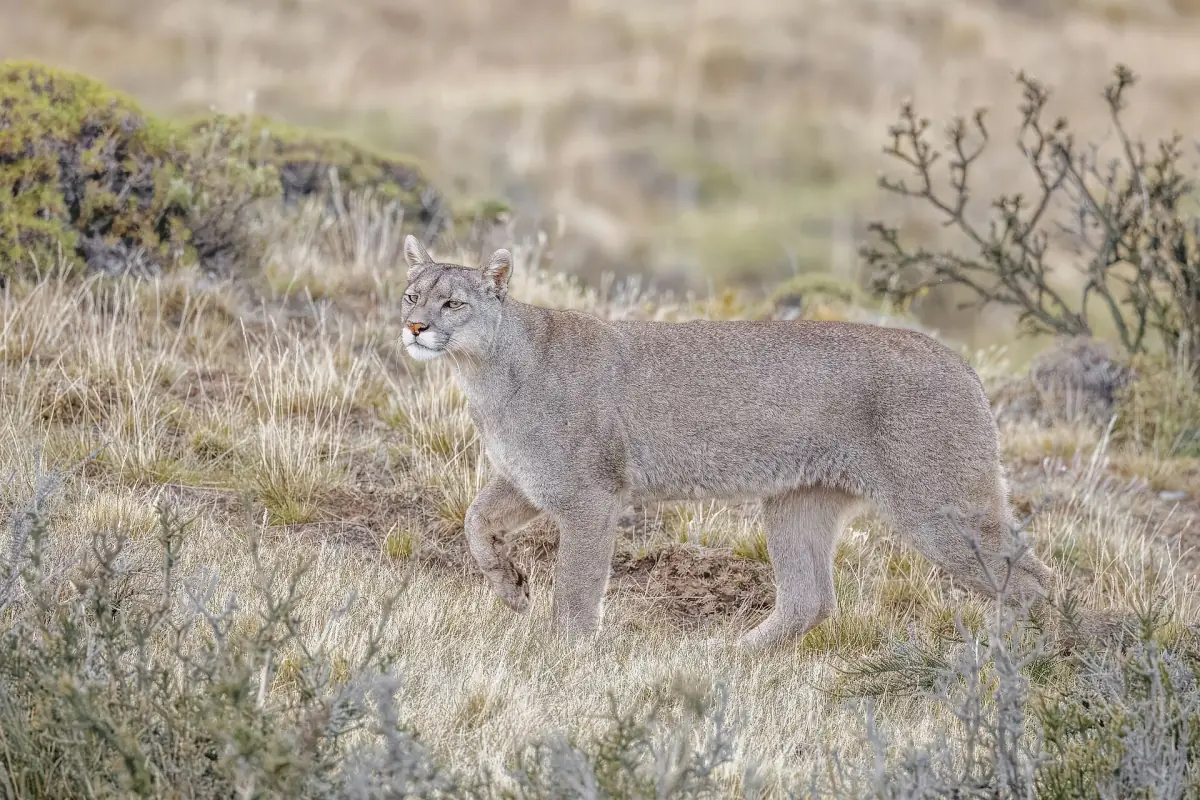
Private puma tracking with park entry
- Park entry
- Specialist puma guide
- Private transfer
A private transfer, a specialist puma guide, tracking gear and binoculars, snacks and the park entry. Sightings are never certain.
Check availability →Puma tracking with a local guide
- Specialist puma guide
- Spotting scopes and binoculars
- Transport from Puerto Natales
Eleven hours with a specialist puma guide, spotting scopes and binoculars, coffee and snacks. Sightings are never certain; check whether park entry is included before you book.
Check availability →Day tours and treks for wildlife in Torres del Paine
Full-day road tours, hikes and boat trips in the park, with live prices and availability. Animals can never be guaranteed.
The animals you may see
What to expect from each one.
Puma
The park's big cat is shy and can show up near roads and trails, often at dawn or dusk. Treat any sighting as luck. A day in the park gives you a chance, not a promise.
Guanaco
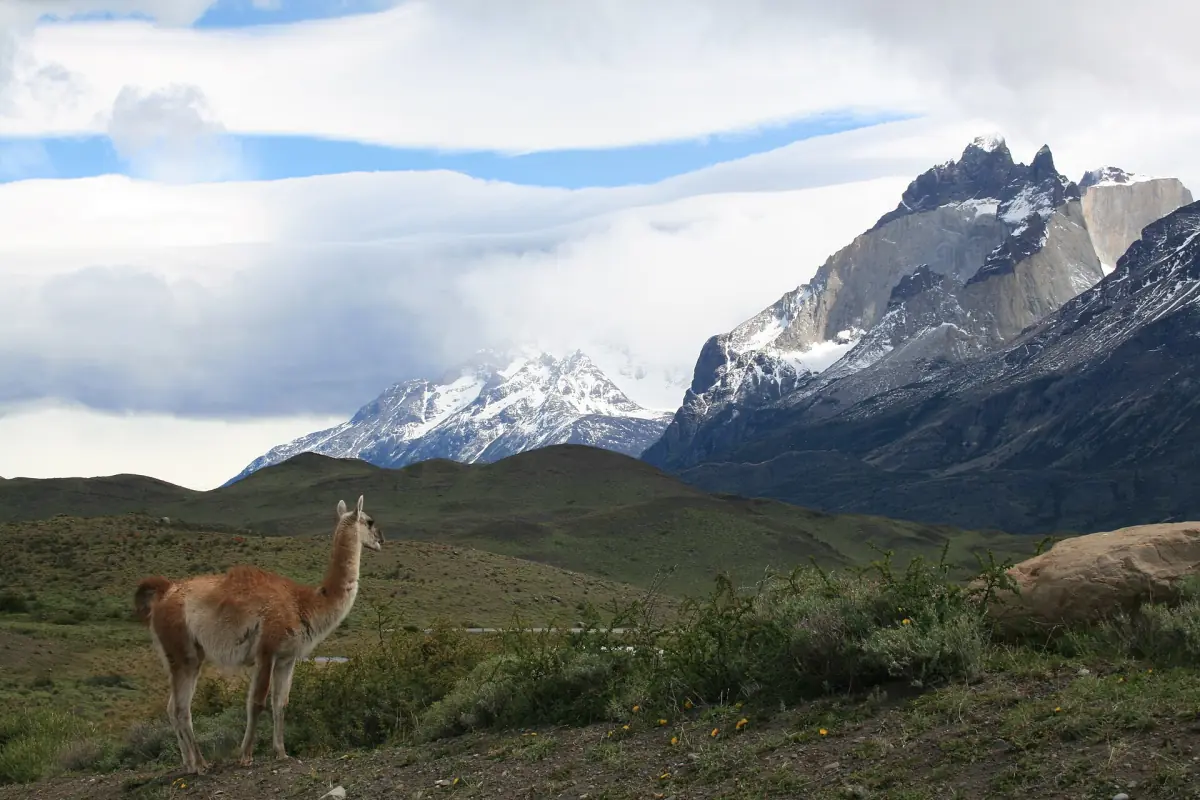
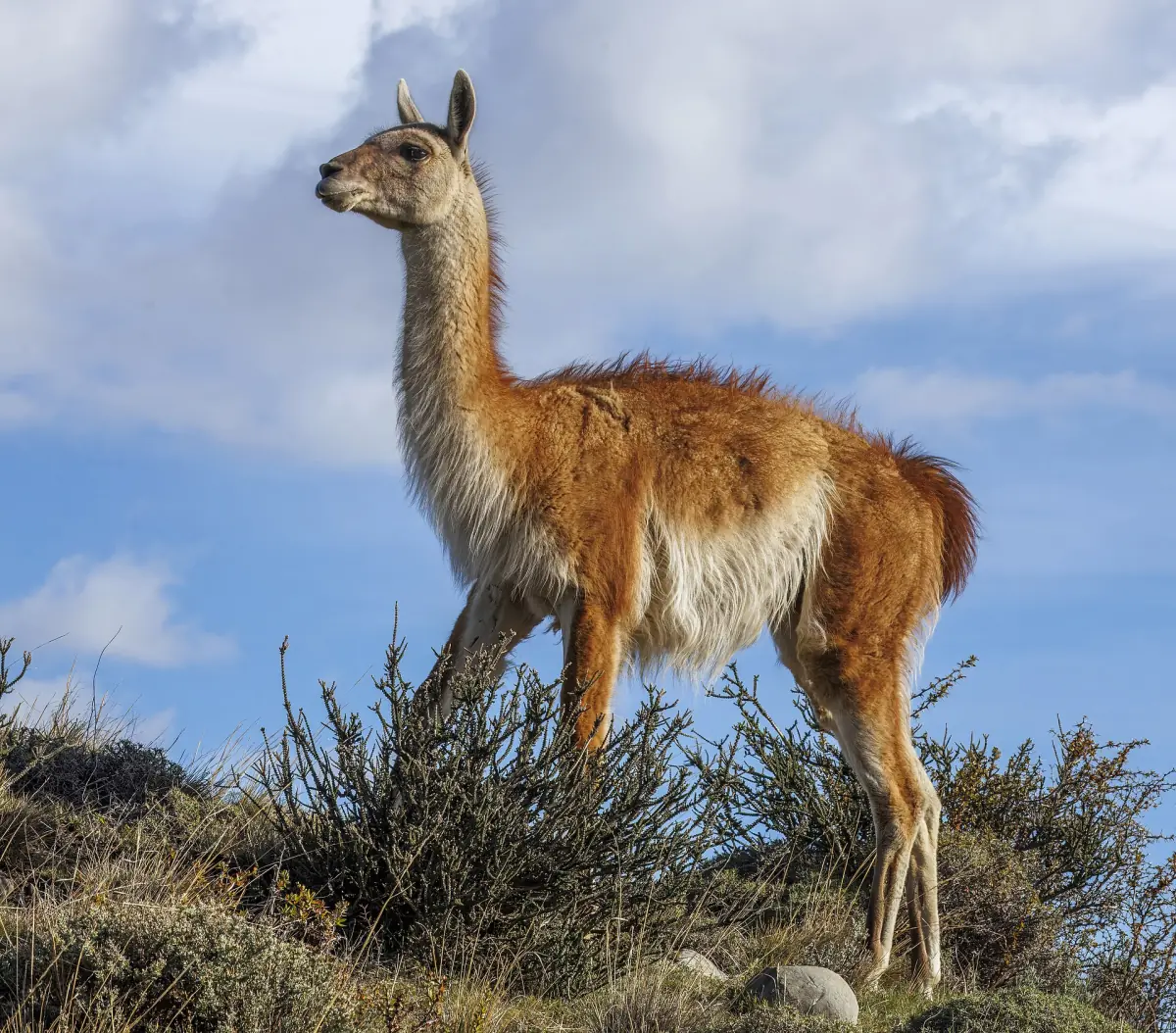
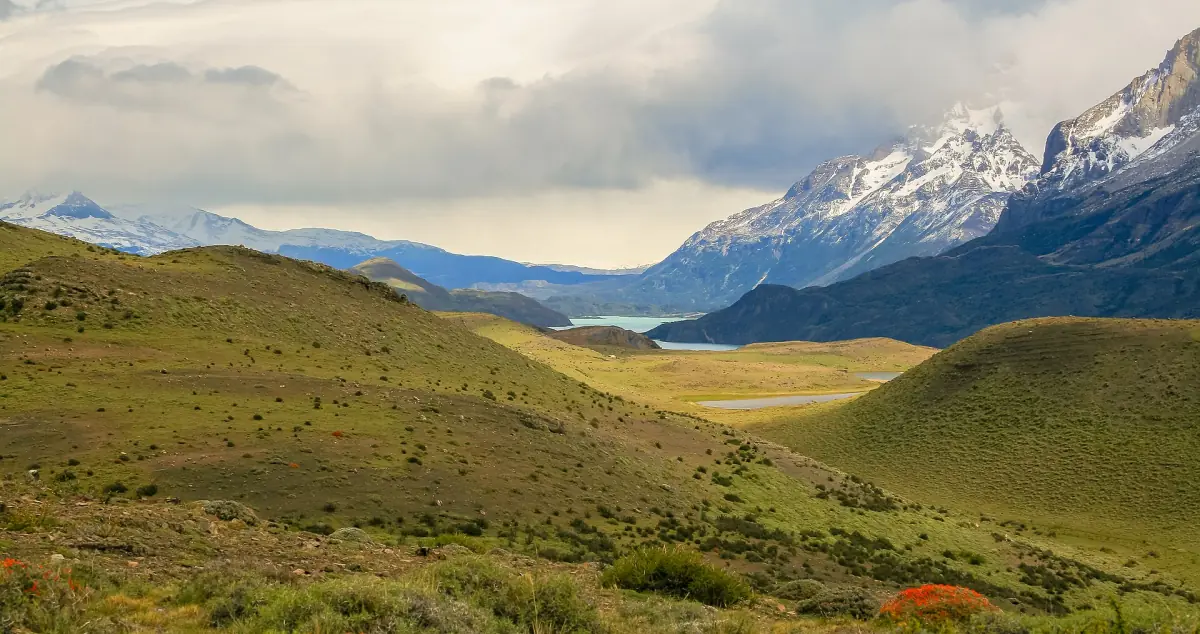
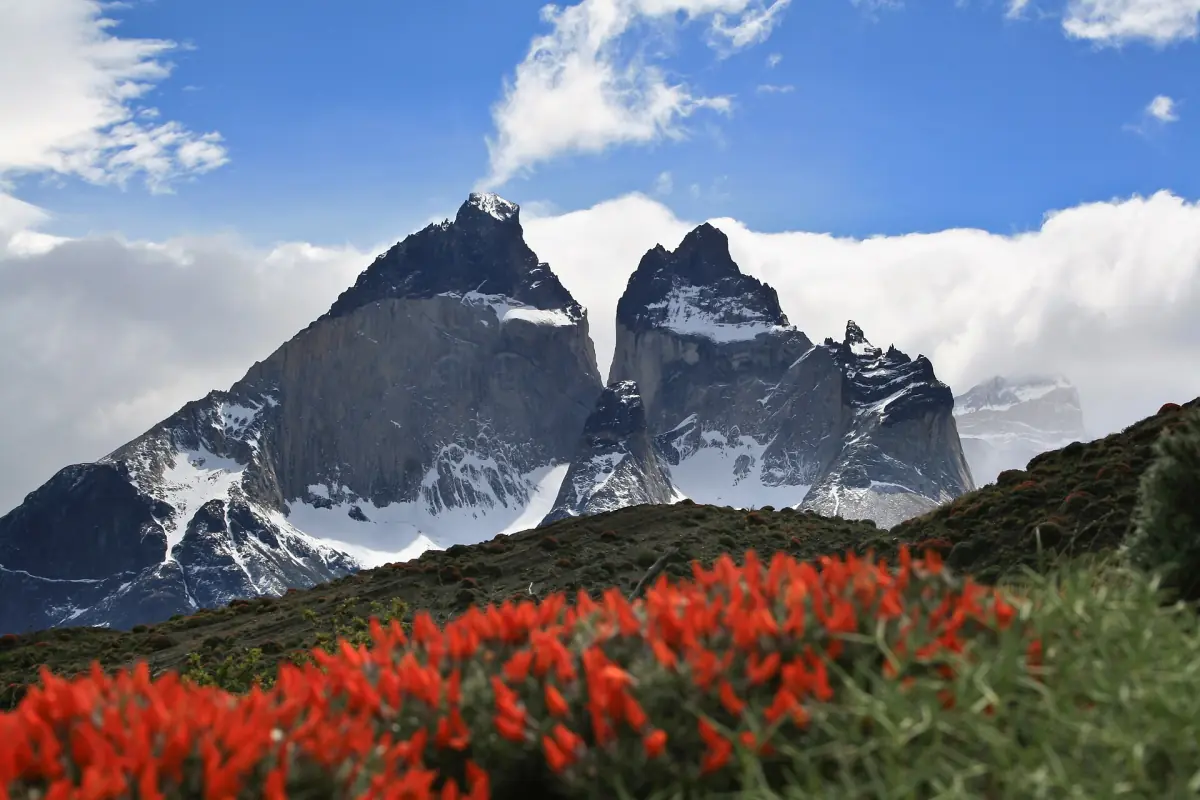
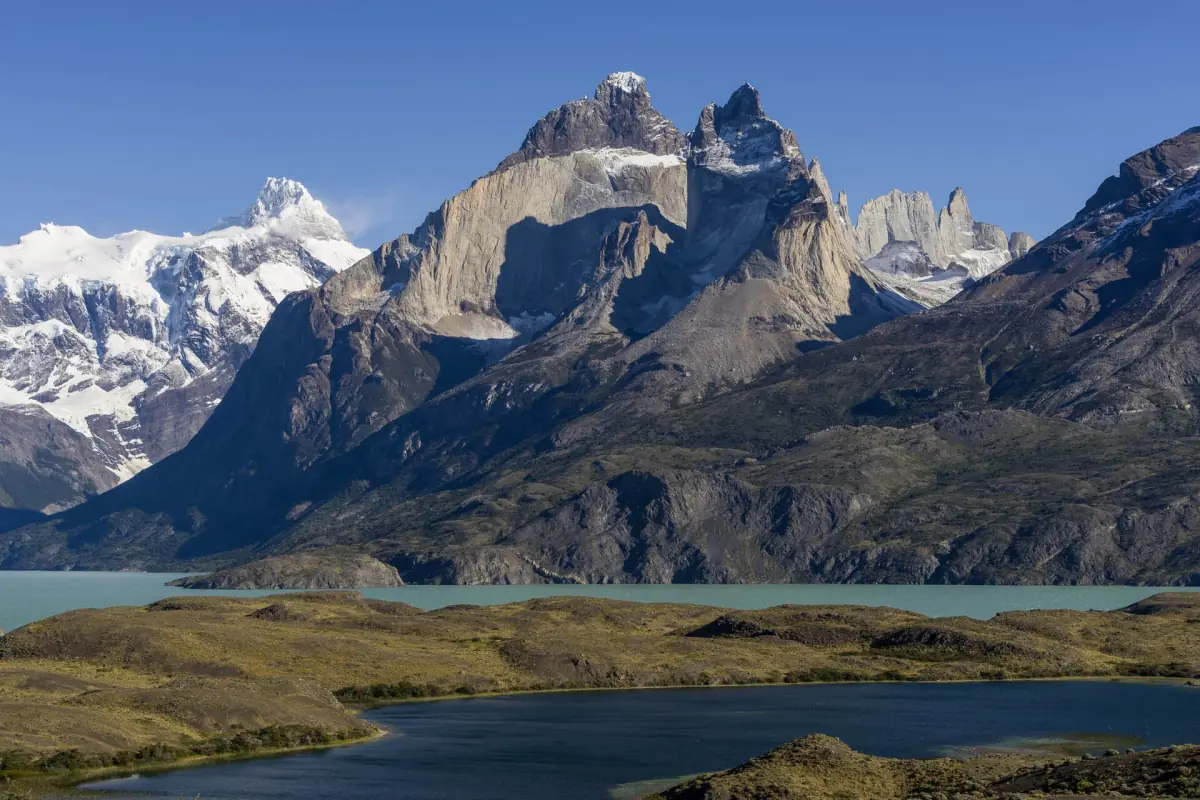
The guanaco is the animal you are most likely to see. Herds stand in open steppe with the Paine mountains behind them, which makes them easy to spot from a road or a trail.
Ñandú
The ñandú is a large flightless bird of the open plains. Watch for it from the road or a trail and keep your distance.
Andean condor
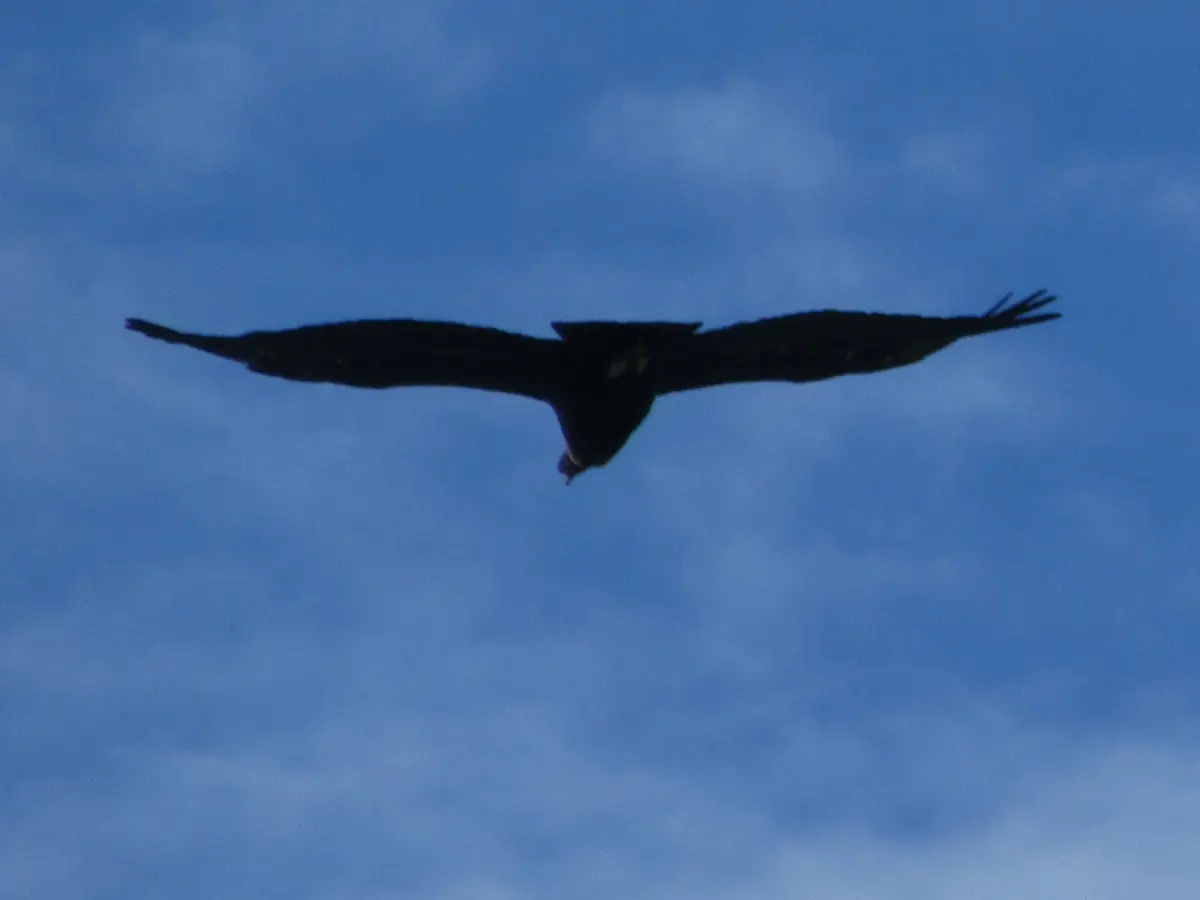
Condors glide high above the mountains. Look up on open stretches of trail and at viewpoints, where you can watch them without moving.
Where to look: by road, on foot or on the water
You see different things at different speeds.
On a full-day road tour
A full-day tour from Puerto Natales runs from 08:30 to 19:00, about 10.5 hours, with stops at Lago Grey, Lago Pehoé, Salto Grande, Lago Nordenskjöld and Laguna Amarga. Park entry and Cueva del Milodón entry cost extra. You watch from lookouts and the roadside, so keep stops short and park only where parking is allowed.
Torres del Paine day tours →On the Base Las Torres hike
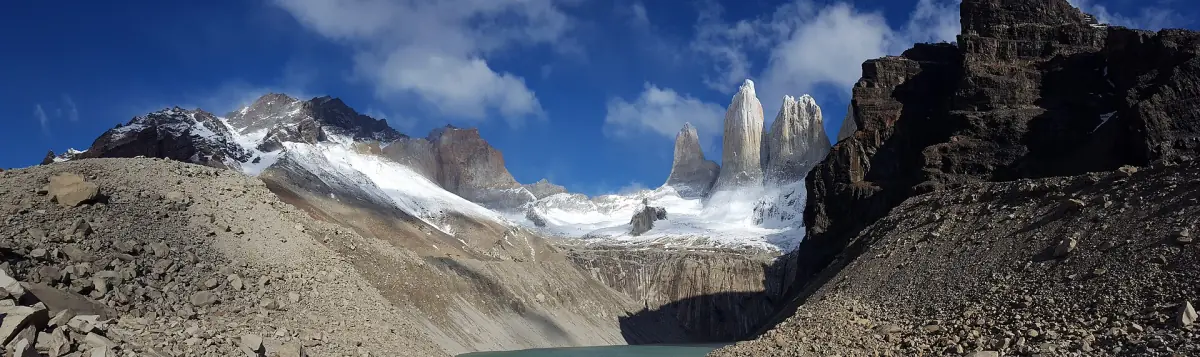
The hike to the towers takes about 8 hours of walking. It gives you open slopes and sky for a condor, and quiet stretches where animals may appear near the trail.
Base Las Torres hike →On a multi-day trek
The W takes 3 to 5 days and needs reserved nights in the mountain refugios and campings. Walking slowly with early starts gives you more chances than a bus window does, but still no guarantee.
The W Trek →Rules for watching wildlife
These protect the animals, and they apply to everyone.
Daylight and official trails
Watch animals only in daylight and from official trails. Do not walk off the path for a better view.
No feeding, no disturbing
Do not feed animals or chase them for a photo. Stay back from mothers with young and from any animal that is hunting.
No drones
Private drone flights are banned in the park. Commercial filming needs a separate permit.
Parking and traffic
In 2026 the park warned against crowding pumas, disturbing them while they hunt or raise cubs, and parking or driving dangerously at sightings. Stop only where stopping is allowed.
Fire, water and swimming
Open fires are banned. Stoves are allowed only in marked cooking areas and only without plant fuel. Swimming in the park's lakes, lagoons and rivers is banned too.
If you meet a puma
Stay calm. The park advises the following.
Do not run or approach
Stay where you are and keep calm. Running or stepping closer is the wrong move.
Back away slowly
Stand upright, step back slowly and keep the puma in sight.
Secure children
Bring children close to you right away and keep them there.
Puma tracking tours
A tracking day shows what to expect.
A puma-tracking day lasts about 10 hours, with private groups of up to 3 people and a minimum age of 14. Tours run all year under the guide's own conditions. Guides keep at least 50 m from a puma, and more for mothers or while the animal hunts. That distance is a guiding standard, not a park-wide limit for every species, and the minimum age of 14 is a tour condition, not a park rule.
Ask any operator how it keeps its distance and how it handles a crowd at a sighting. A good guide skips a photo when the animal would be disturbed.
Plan the rest of your trip
Where wildlife fits into the park.
Torres del Paine wildlife: frequently asked questions
Will I see a puma in Torres del Paine?
Maybe, but nobody can promise it. Pumas are shy, and sightings depend on luck, light and time spent in the park. Plan the trip around the landscape and treat a puma as a bonus.
Which animals live in the park?
The main animals are the puma, the guanaco, the ñandú and the Andean condor. Guanacos and condors are the easiest to see.
How close can I get to a puma?
Stay far back. Tracking guides keep at least 50 m, and more for mothers or hunting animals. If a puma comes close, stay calm, do not run, and back away slowly while standing upright.
Can I leave the trail to look for animals?
No. Watch wildlife in daylight from official trails. The park does not allow free-roaming puma safaris.
Can I fly a drone to film wildlife?
No. Private drone flights are banned in the park, and commercial filming needs a separate permit.
Is this website the official park site?
No. This is an independent travel guide. For current park rules and tickets, check the park administration's own notices before you go.